
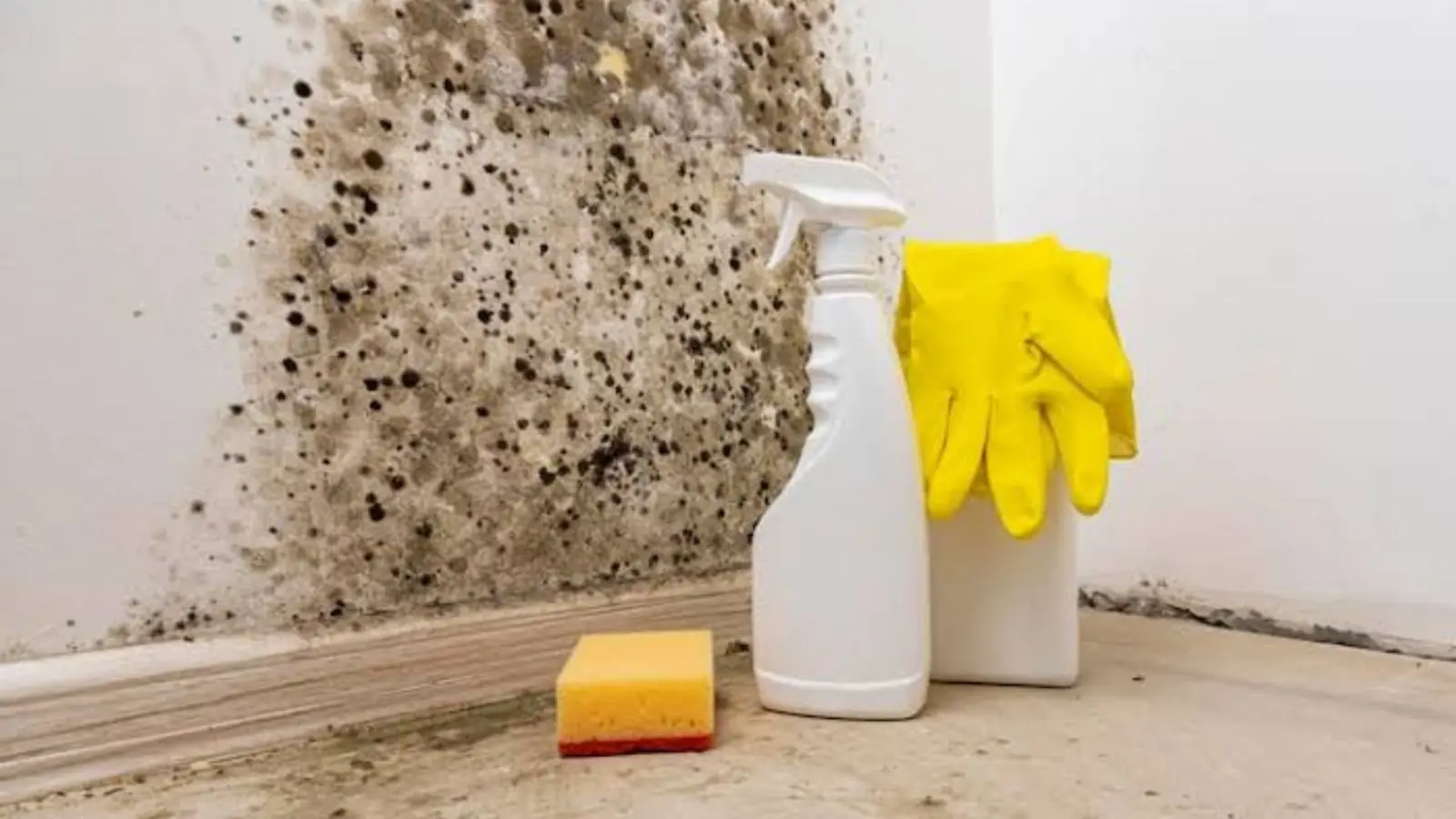
Black mold on basement walls in Port Hueneme, CA gets searched a lot, but the dark patch on your wall may not be mold at all. Concrete, block and stucco can show mineral deposits, dirt, soot or water stains that look similar. What matters is whether the area is damp, whether it is spreading and what the wall is made of.
This page helps you sort the possibilities and decide on next steps. It does not diagnose and it does not make health claims. A physician is the right person to ask about symptoms.
Mold, efflorescence or something else
| Appearance | Likely cause | Quick check |
|---|---|---|
| White, powdery crust on concrete or block | Efflorescence, a mineral deposit left by water | Brushes off dry and returns when damp |
| Dark or green fuzzy patches | Possible mold growth | Often smells musty, often in damp corners |
| Even gray film on a lower wall | Dirt or soot | Wipes off with detergent |
| Brown rings or streaks | Water staining | Look for the source above or behind |
| Black dots in grout or caulk | Mildew or mold from humidity | Appears in bathrooms and laundry rooms |
Efflorescence is a sign that water is moving through the wall, and it often points to a drainage or waterproofing issue. It is not mold, but it tells you where moisture is entering. Mold needs organic material to feed on, such as paint, paper facing on drywall, wood or dust.
What the wall is made of matters
On sealed or painted concrete and block, surface growth can often be cleaned with detergent and water, with the moisture source fixed first. On drywall, particularly the paper facing, growth tends to go deeper, and the board is usually cut out. Insulation and carpet that touch the wall are usually removed.
Do not paint over dark patches. Paint seals in moisture, and the patches show through. Do not run fans at the wall because airflow can spread spores. If the spots are in more than one place, or the smell is strong, schedule an inspection from a mold remediation team.
Dark spots on a wall?
Call and describe the surface and the smell.
Finding the moisture source
- Check for plumbing on or near the wall, including water heaters and washing machines.
- Look at the exterior grade, gutters and downspouts for water pooling.
- Watch the wall after rain for dampness.
- Look at humidity levels with a small hygrometer.
- Check the dryer vent and bathroom fan, since both can add moisture to a room.
If the cause is a recent leak, fast drying is the best prevention. A moisture map and equipment set through water mitigation can dry the wall before the growth spreads. If the cause is seepage after heavy rain, waterproofing contractors handle the exterior side.
When to call a professional
Call when growth covers more than a few square feet, when it is on drywall or insulation, when it keeps coming back after cleaning or when a buyer or lender has asked for an assessment. A crew can set up containment, remove affected material and clean the rest. Clearance testing can follow, and the tester should be separate from the crew.
Painted block versus bare concrete
Painted block and concrete take cleaning better than bare masonry, because the paint film sits on top of the surface. Bare block is porous and can hold moisture and residue deep in the surface. Cleaning may lighten it, but the wall can stay damp until the water source is fixed.
If paint is peeling off a lower wall, moisture is likely coming through from behind. Scrape a small test area and check whether the surface underneath is damp. That tells you whether the fix is cleaning or drainage.
Outside fixes that help inside
- Extend downspouts several feet away from the foundation.
- Slope soil and paving away from the walls.
- Clear gutters before the rainy season.
- Seal cracks in stucco, planter edges and wall joints.
- Move sprinklers so they do not spray the wall.
A simple moisture log
For two weeks, write down the date, weather, humidity reading and whether the wall feels damp. Patterns show up fast. Dampness after rain points to water entering from outside, dampness after showers or laundry points to indoor humidity and dampness that never changes points to plumbing.
Bring the log to a contractor or inspector. It saves time, and it helps them decide where to look first.
Wall moisture notes for Port Hueneme
Port Hueneme sits at about 13 feet above sea level, and its older streets near the original downtown share the marine air. On December 21, 2023, Port Hueneme issued evacuation orders covering about 60 houses in a senior community after the storm, according to the Associated Press.
The Oxnard Water Division reports that Oxnard tap water is fairly hard, averaging about 285 parts per million. Mineral crust near leaking fixtures can look like efflorescence, so check the spot for a drip before assuming it is groundwater.
Sources: Associated Press, City of Oxnard Water Division.
Homes in Oxnard near the harbor see more marine humidity, and homes in Camarillo often see wall moisture from roofs and plumbing instead.
Questions about dark spots on walls in Port Hueneme
How can I tell efflorescence from mold?
Efflorescence is a white, powdery mineral crust that brushes off dry. Mold tends to be fuzzy or spotty, in dark colors, and often smells musty.
Is a dark stain on block always mold?
No. It can be dirt, water staining or soot. If the area is damp and smells musty, treat it as possible mold and have it assessed.
Can I clean it with bleach?
Bleach can lighten surface stains but does not fix moisture or reach into porous materials. Detergent and water on hard surfaces is often the first step, after you fix the leak.
Do I need a test to know if it is black mold?
A lab can name the species. The cleanup steps are the same for most growth, so many owners skip species testing unless a lender or physician asks.