
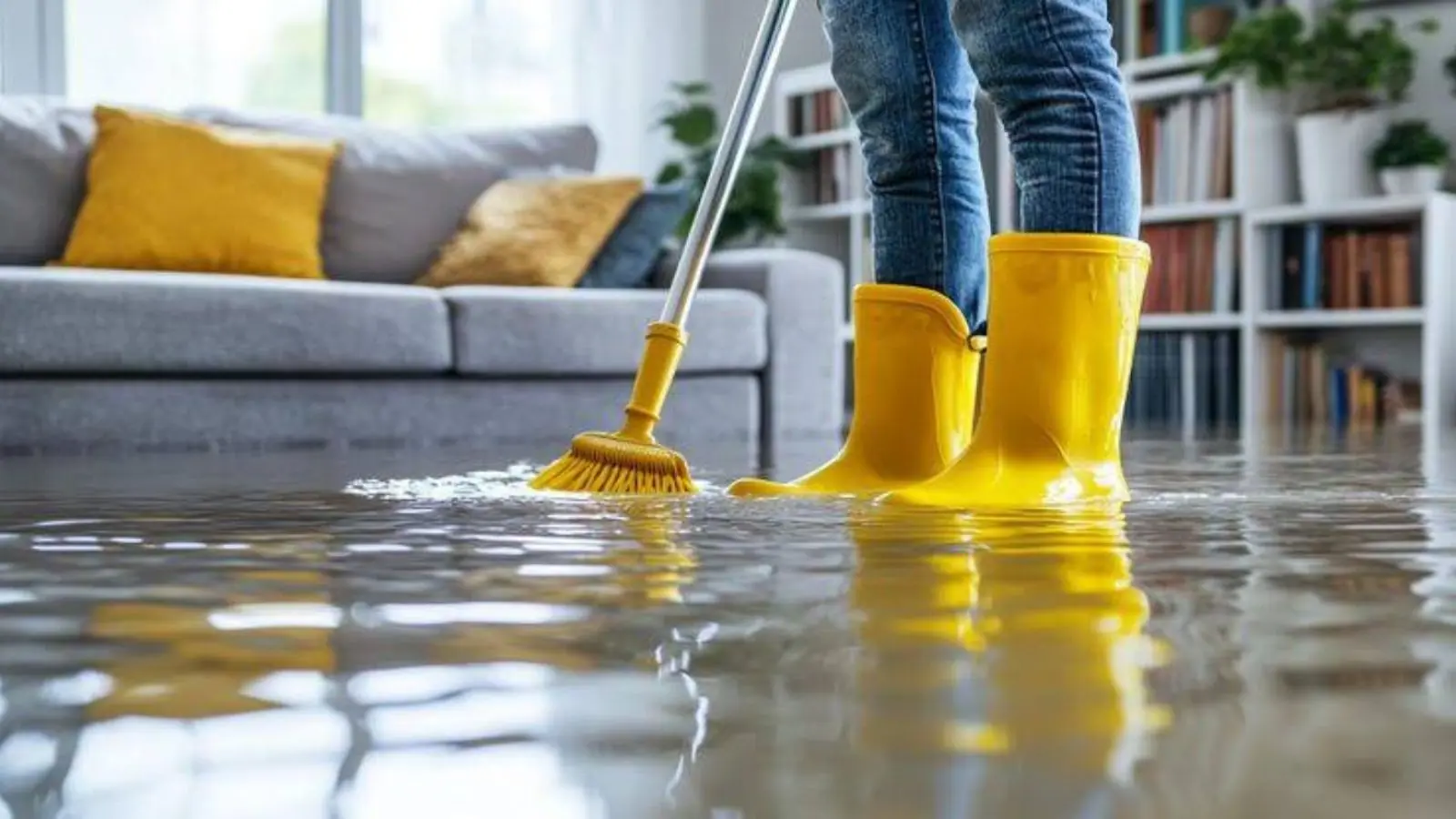
Emergency water damage cleanup in Port Hueneme, CA covers the stage after the water has been shut off and the standing water is out. What remains is wet debris, soaked materials, residue and odor. The first 48 hours decide how much of it can be saved, so call the 24/7 line early instead of waiting to see how the room dries.
Until the crew arrives, take photos of everything that got wet, set unharmed valuables on a dry surface, and open windows if the weather allows. Wear gloves and boots around anything that might have been contaminated. Do not run a household vacuum on wet carpet, because it can shock you and ruin the motor.
The first 48 hours after water
Porous materials like carpet pad, insulation and ceiling tile hold water and start to smell within days. Drywall can wick moisture a foot or more above the visible line. Fast cleanup removes the pieces that cannot dry in place and sanitizes what stays, so you are not rebuilding over damp material.
Cleanup differs from water mitigation, which focuses on drying the structure, and from water damage repair, which rebuilds it. Cleanup is the removal, sanitizing and odor stage in between. In most jobs all three overlap, and a good crew explains where one ends and the next begins.
What the water was matters more than how much
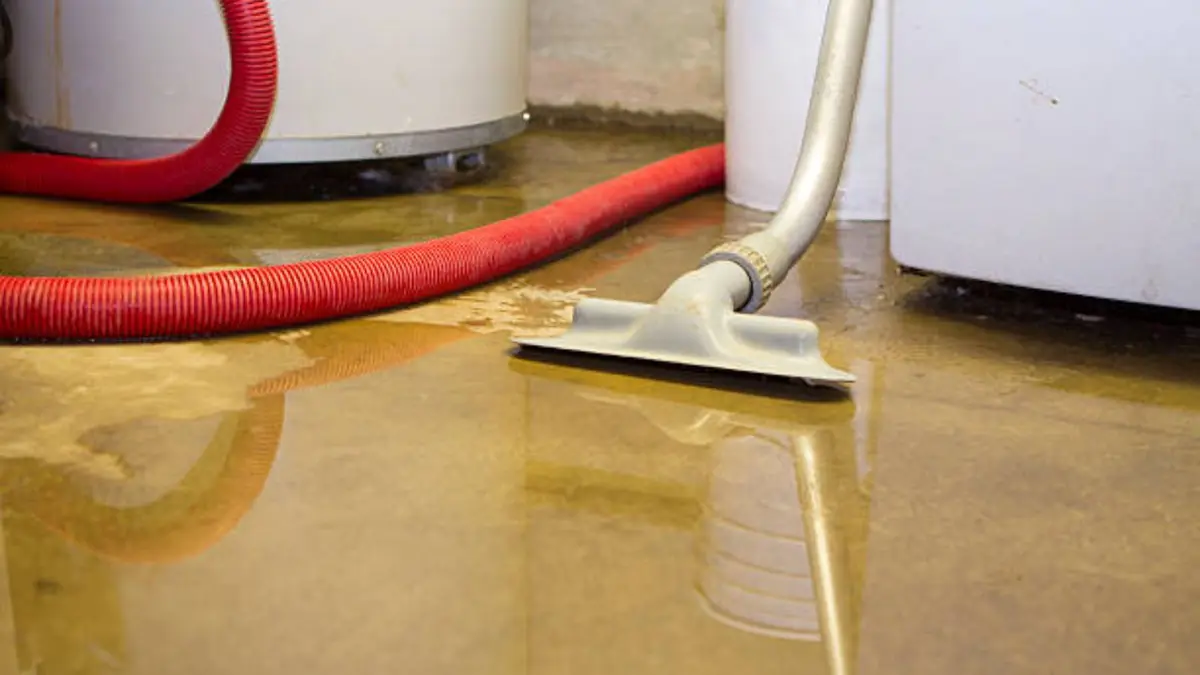
Restoration standards sort water by contamination. Category 1 comes from a clean source such as a supply line. Category 2 carries some contamination, such as a washing machine drain or dishwasher overflow. Category 3 is grossly contaminated, like sewage or storm floodwater, and needs protective gear and careful disposal.
| Water category | Common source | Cleanup approach |
|---|---|---|
| Category 1 | Broken supply line, sink overflow, rain through a new roof leak | Remove wet pad, dry, light cleaning |
| Category 2 | Washing machine drain, dishwasher backflow, aquarium | Remove porous materials, clean and sanitize surfaces |
| Category 3 | Sewage backup, storm flooding, rising ground water | Remove affected materials, disinfect, containment as needed |
Clean water can slide into Category 2 after about two days sitting in a building, because bacteria grow in warm, damp material. So waiting changes both the category and the scope. If the water came from outside or a drain, see flood damage restoration for the extra steps.
What gets removed and what gets saved
Carpet pad and insulation
Pad and wall insulation soak up water and rarely dry in place, so they are usually removed. Carpet itself can sometimes be dried and cleaned if the water was clean and caught early.
Drywall and trim
Drywall wet for a short time may dry in place. Material that is swollen, crumbling or stained from contaminated water is cut out, often a few inches above the wet line.
Hardwood and laminate
Solid wood can sometimes be dried with special equipment. Laminate and engineered flooring swell at the seams and are more often replaced.
Furniture and belongings
Hard surfaces can be cleaned and sanitized. Upholstery, mattresses and paper goods that sat in contaminated water are generally discarded.
Photograph items before they are moved or discarded, and keep a list with approximate age and value. Insurers ask for both. Keep a sample of removed flooring if the policy review is still open.
Need cleanup started today?
The 24/7 line is open now.
Cleanup in a coastal rental market
About 52 percent of Port Hueneme households rent, based on 2020 census counts. That means many cleanup jobs involve a landlord, a property manager or a neighbor in the unit above. Tell the landlord in writing and ask who will file the claim. Do not throw out contents until you have photos, since renters insurance usually needs them.
Many Port Hueneme buildings sit within a short walk of the Hueneme Pier and the Waterfront Promenade, where marine air stays damp. Damp air keeps cleaned areas from drying quickly, so expect dehumidifiers to stay on after the debris is gone.
What changes the cleanup cost
Cleanup pricing is built from what is removed and how it must be treated. Scope and price are explained before work starts, and these items move the number:
Contamination category
Category 2 and 3 water add protective equipment, antimicrobial treatment and disposal steps.
Materials removed
More carpet, pad, insulation and drywall means more labor and haul-away.
Square footage
Larger affected areas need more time and more cleaning product.
Contents handling
Moving, cleaning or discarding belongings adds a separate line.
Odor treatment
Deodorizing with air scrubbers or fogging is added when smells have set in.
Policies often respond when the cause was abrupt, such as a split hose, and often balk at slow leaks or neglect. Outside flood water usually needs its own flood policy. Confirm with your insurer, and keep receipts for anything you buy to protect the home.
Want your real number? Call (805) 291-8940
Water damage cleanup questions
Can cleanup start on a Sunday after a leak?
Yes. Calls are answered at all hours. Cleanup can begin the same day if a crew is open, once the source is stopped and the area is safe.
Can wet carpet be saved?
Sometimes. If the water was clean and the carpet was extracted within a day or two, it can often be dried and cleaned. The pad underneath is usually replaced.
How do you remove the smell after water damage?
The cause is usually damp material, so the first step is removing or drying it. Air scrubbers and deodorizing treatments are added once the wet source is gone.
What should I photograph for my insurer?
Take wide shots of each room, close shots of damage, the source of the leak and any damaged belongings before they move. Date-stamped photos are the easiest to use.