
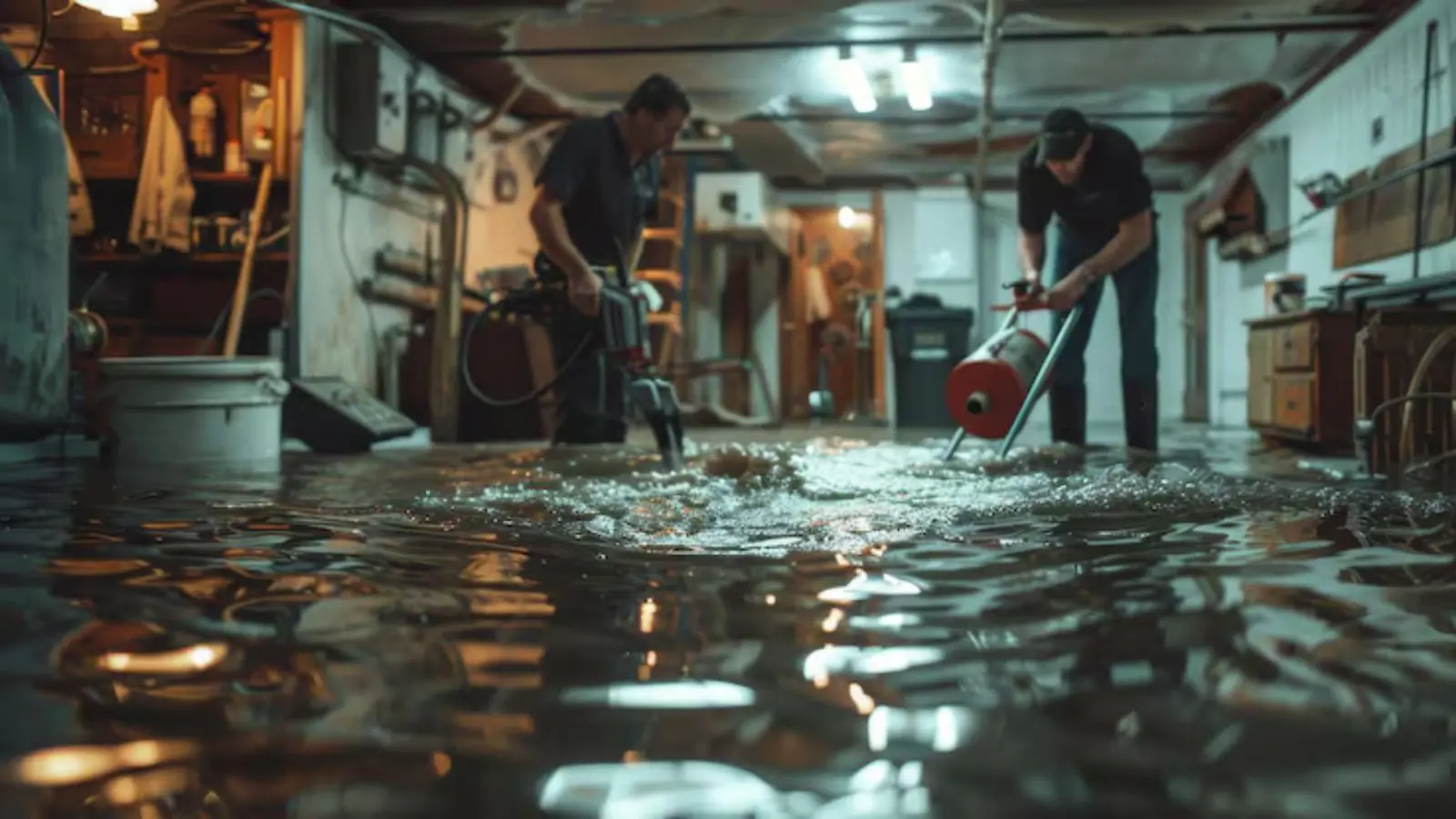
Emergency water removal in Port Hueneme, CA starts the moment standing water is on a floor. Pumps and extraction units move far more water in minutes than towels and a shop vacuum can in an afternoon. Call the 24/7 line, and while you wait, shut off the water source and keep children and pets out of the room.
Electricity and water together are the first danger. If water is touching outlets, a power strip or an appliance, do not step in. Turn off the breaker only if the panel is dry and reachable without wading. Otherwise call the utility or 911 first, and call us after the risk is handled.
When standing water is an emergency
Standing water is an emergency when it is deeper than a puddle, when it keeps rising, or when it has reached carpet and walls. A hose that let go under a kitchen sink can put hundreds of gallons across a slab floor in an hour. Each hour the water sits, it wicks higher into drywall and softens baseboards.
Garages near Surfside Drive and the older streets close to the harbor can collect water when storm drains back up. If the water came from outside, treat it as contaminated, because storm runoff carries soil and street debris. That changes how the crew protects itself and how it disposes of the water. The flood damage restoration page covers that case in full.
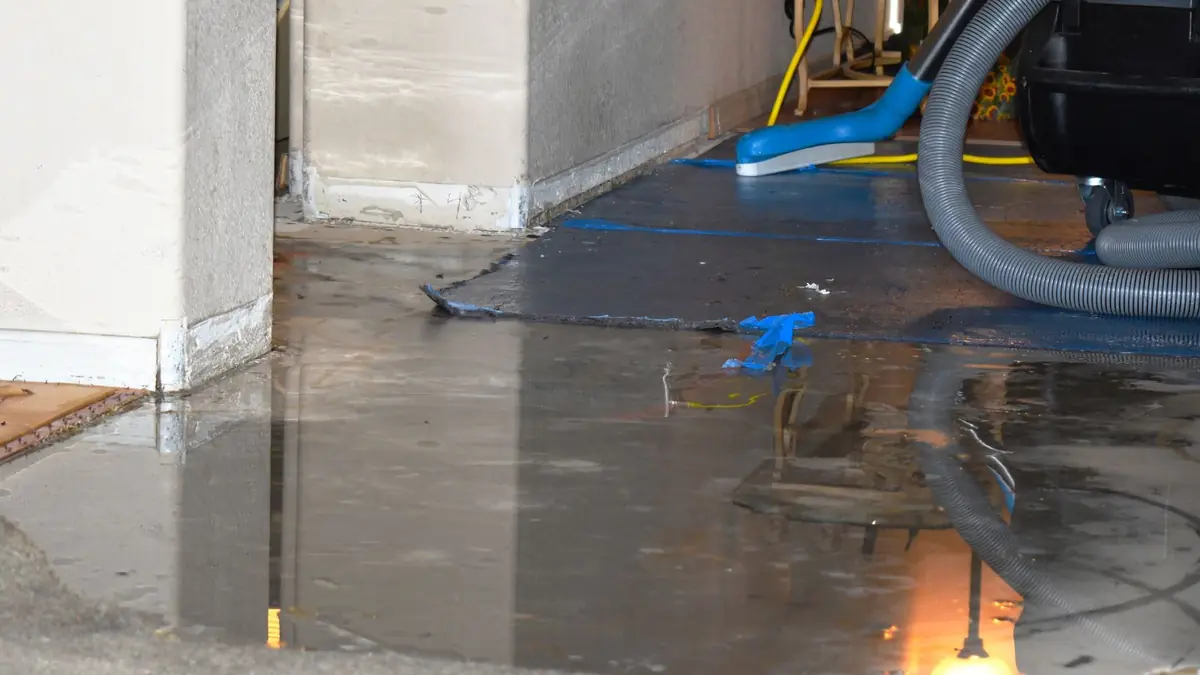
Equipment that actually removes the water
- Submersible pumps clear deeper water from garages, crawl spaces and low rooms.
- Truck-mounted or portable extraction units pull water out of carpet and pad.
- Wet vacuums finish thin layers and corners the big units cannot reach.
- Floor wands and squeegee tools lift water from hard flooring before it seeps under the boards.
- Moisture meters confirm what is still wet after the visible water is gone.
Extraction is only the first stage. Once the standing water is gone, the building still holds moisture in porous materials. Plan on water mitigation right after extraction so drying equipment can finish the job before mold starts.
| What you see | Likely method | Why |
|---|---|---|
| A film of water on tile or vinyl | Wet vacuum and floor drying | Thin water can be lifted fast, but seams and edges need checking |
| Soaked carpet and pad | Extraction wand, then pad removal | Pad holds water like a sponge and rarely dries in place |
| Inches of water across a room | Submersible pump, then extraction | Volume first, then absorbed water |
| Water in a garage or crawl space | Pump, then inspect for contamination | Outside water may carry soil and debris |
Burst pipe water damage
A burst pipe is the most common reason people call for emergency water removal. Copper and PEX supply lines fail at fittings, washing machine hoses split, and water heaters rust through at the bottom. The first move is the same each time: find the shut-off valve and close it. Know where the main valve sits before you need it.
After the water is off, the crew pumps and extracts, then opens the wall or floor where the pipe failed so the plumber can repair it. Call a licensed plumber for the pipe itself. Restoration crews dry and rebuild, and they do not replace your supply line. Keep any burst fitting if you can, since insurers sometimes ask to see it.
Water for Port Hueneme homes comes through the Port Hueneme Water Agency, according to the Navy's base water report. If you cannot locate your shut-off, the number on your water bill is the right place to ask which valve controls your line. The main valve at the street may belong to the utility, so do not force it.
Pipe burst or water rising?
Call the dispatch line and tell us where the water is.
What drives the cost of water removal
The price of extraction follows the size and type of the loss. A short phone call lets a dispatcher explain scope and price before work starts, and these are the main factors:
Depth and volume
Inches of water across a large floor need pumps, while a thin film needs a vacuum and drying.
Water category
Clean supply water is simpler than storm or sewage water, which need protective gear and disposal.
Flooring type
Carpet and pad come out and dry differently from tile, vinyl plank or hardwood.
Access
Crawl spaces, stairs and tight garages take longer to pump and clear.
Follow-up drying
Removal is the first stage. Drying days and any wall opening add to the total.
Insurance generally responds to sudden and accidental events like a burst pipe, and often does not cover slow leaks left unrepaired. Flood damage from outside water usually falls under a separate flood policy. Check your policy and ask your insurer before you decide what to claim.
Want your real number? Call (805) 291-8940
Emergency water removal questions
Who pumps out standing water at 2 a.m. in Port Hueneme?
Yes. A dispatcher answers at any hour. If a crew is free, pumps can reach you the same day, and you get shut-off and safety steps while you wait.
What should I do before the crew arrives?
Close the water source, turn off power to the wet area only if the panel is dry and safe to reach, lift valuables, and move people and pets out of contaminated water. Take photos of the water and damaged items for your claim.
Can standing water be removed without opening the walls?
Often yes, if the water stayed on the floor. When it wicked into drywall or a cabinet base, a moisture meter shows where walls need small openings so air can reach the wet cavity.
Is a wet garage the same as a wet living room?
Not quite. Garage floors are usually concrete, so water pulls out faster, but stored boxes and drywall at the bottom of walls still absorb it. Outside water also needs more care than a leaking pipe.