
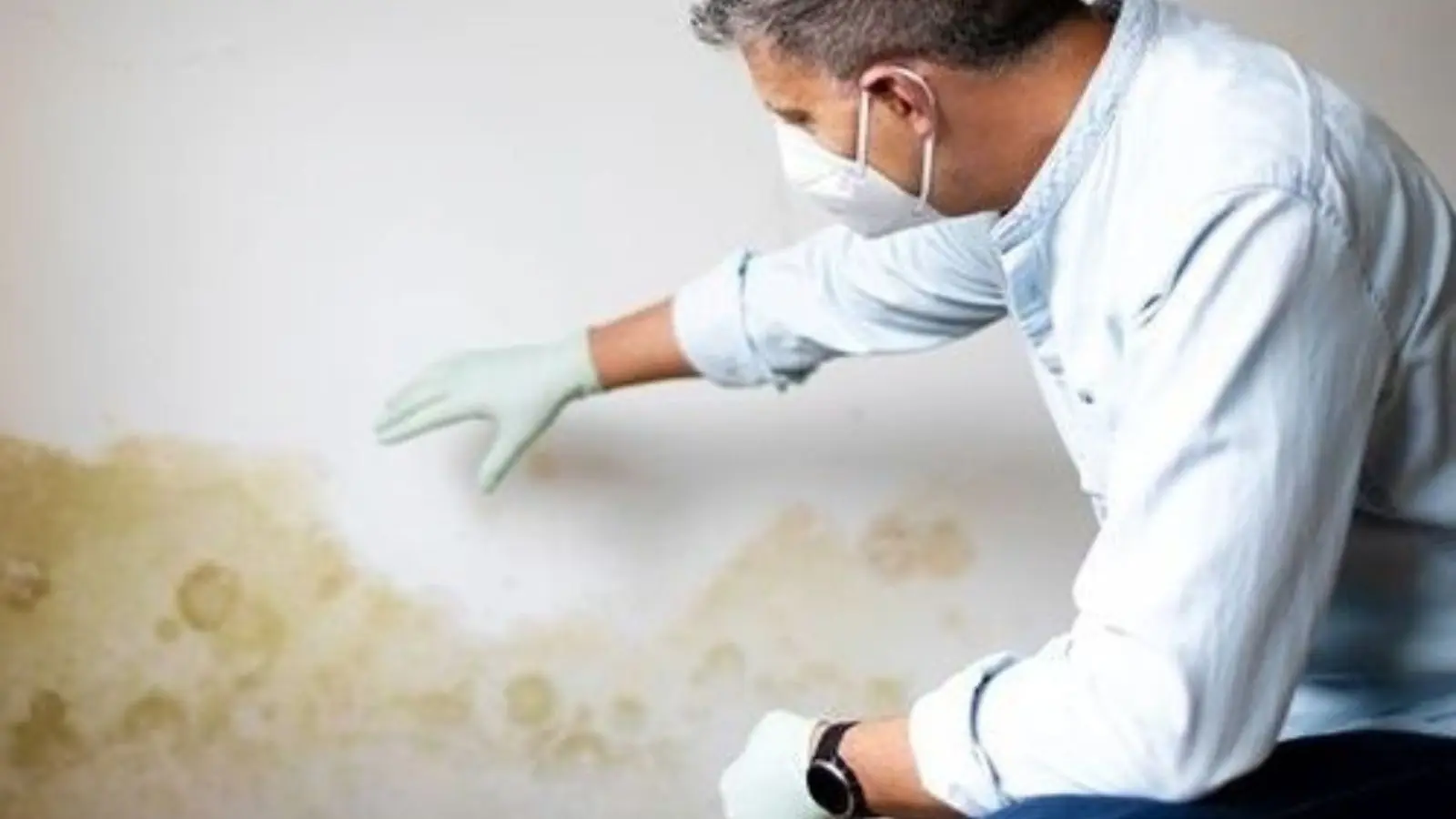
Mold clearance testing before a home sale in Port Hueneme, CA usually comes up when an inspection finds growth and a buyer or lender asks for proof it was dealt with. Clearance is not the cleanup itself. It is an independent check after the cleanup that says the area is ready to be rebuilt or occupied.
We cannot promise that any lender or buyer will accept a given report. What we can do is explain the sequence so you can ask the right questions before you spend money.
The usual sequence
| Step | What happens | Who usually does it |
|---|---|---|
| 1. Assessment | Inspect, map moisture, define the area | Inspector or remediation company |
| 2. Written scope | Lists the containment, removal and cleaning steps | Remediation company |
| 3. Fix the moisture | Repair the leak or ventilation issue | Plumber, roofer or contractor |
| 4. Remediation | Containment, removal, HEPA cleaning, drying | Crew working to published S520 practice |
| 5. Clearance | Visual check and sampling as needed | Independent tester |
| 6. Rebuild | Replace drywall, flooring and paint | Contractor |
Many people prefer that the person who tests is not the same company that did the cleanup, which avoids any appearance of grading your own work. Ask who the tester is before the work starts, and ask what their report will show.
Ask the lender or buyer first
Lenders and buyers can have different documentation expectations. Some want a written scope and photos. Some want air or surface sampling results. Some want a statement from a licensed professional. Ask in writing what they accept, and share the scope before work begins.
Also ask your real estate agent and escrow officer about timing. A cleanup that takes a week plus testing can affect closing dates. The mold remediation page explains typical scope steps without making promises about outcomes.
Sale held up by mold?
Call and describe what the inspector found.
What to keep
- The original inspection report and photos.
- The written remediation scope and any change orders.
- Photos of the work in progress.
- The independent clearance report.
- Receipts for repairs to the moisture source.
A plumber or roofer receipt is useful because it shows the cause was fixed. Without that, a buyer may worry the growth will return. Clearance testing does not make the home mold-free forever, and nobody can promise that. It says the area met the testing standard on the day it was checked.
If water caused it
If a leak or flood caused the growth, make sure the building is dry before rebuilding. Wet materials trapped behind new drywall will bring the problem back. Drying through water mitigation and documented readings help a buyer feel confident the structure is dry.
For repair after removal, water damage repair explains scope writing. In California, ask about disclosure obligations with your agent, since sellers often have to disclose known conditions.
Questions to ask a clearance tester
- Are you independent of the company doing the removal?
- What will you sample, and where?
- What standard or criteria will you compare the results to?
- How long until I receive the written report?
- What happens if the area does not pass?
A tester should be able to answer each question in plain words. If the answers are vague, ask someone else. The report is only useful if a lender or buyer will accept it.
A realistic timeline
A small job can move from assessment to a written scope in a few days. Removal takes a day or more, depending on the size and containment needed. Clearance sampling happens after the area is cleaned and dry, and lab results can take several days. Add rebuild time if drywall or flooring was removed.
If your closing date is close, tell everyone early. Escrow and your agent can sometimes extend a date, but only if they know the reason.
If clearance fails
A failed clearance means the area needs more cleaning or drying. The crew repeats the cleaning steps, finds any missed source and the tester samples again. It is not unusual, and it does not mean the first job was wasted. Keep every report, since the sequence shows a buyer that the problem was handled carefully.
Small jobs that still need paperwork
Even a small cleanup can be questioned in a sale. Keep the before photos, the receipt for the plumbing or roof repair and a short written note from whoever did the work. A buyer who sees the whole sequence is more likely to accept a modest scope than one who sees only an invoice.
Do not remove or cover anything that an inspector has already photographed until you have asked your agent how to handle it. Changes to the area can raise new questions about what was there.
Selling a home in Port Hueneme
Port Hueneme is a city of 4.7 square miles that incorporated in 1948 and is surrounded by Oxnard. The 2020 census counted 8,295 housing units, with about 48 percent owner-occupied, so sales and rentals both involve moisture questions.
Check the FEMA Flood Map Service Center for your address, since a flood zone can affect lender requirements. Ask the city building department about permits for any repair work done before sale.
Sources: US Census 2020, FEMA Flood Map Service Center.
Buyers in Ventura and Oxnard face similar paperwork questions.
Clearance testing questions in Port Hueneme
Is clearance testing required in California?
Not by a single rule for every sale. Lenders, buyers and local requirements vary, so ask them what they need.
Can the cleanup company do the clearance test?
Some do, but many owners prefer an independent tester. Ask who will test before work starts.
Will a clearance report guarantee a sale?
No. It documents the condition on the day of testing. Buyers and lenders decide what they accept.
How long does clearance take?
Sampling is quick, but lab results can take days. Plan time in your closing schedule.