
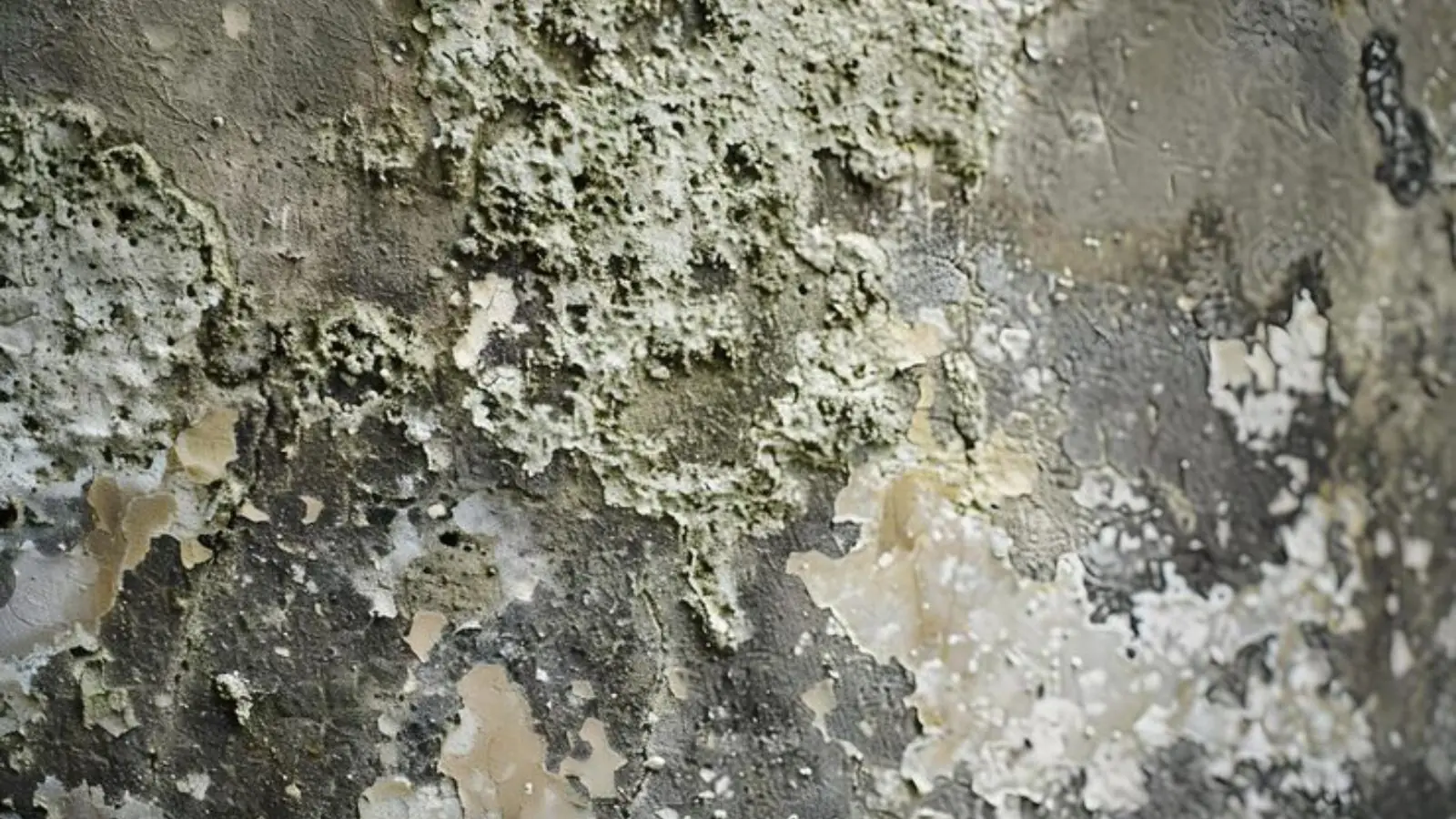
Mold can look like fuzz, specks, stains, a slimy film or just a faint patch of discoloration. In Port Hueneme, CA homes it often appears first in bathrooms, closets, window frames and corners where air moves poorly. Because it can be white, green, gray, brown or black, color is a poor guide to what you have.
The better questions are where it is, what it is growing on and whether the area is damp. This guide walks through the usual spots and the usual look-alikes. It is not a diagnosis, and health questions belong to a physician.
Where mold tends to appear
| Location | What you may see | Common moisture source |
|---|---|---|
| Bathroom ceiling and shower corners | Black or gray dots, sometimes a pink film | Steam with weak ventilation |
| Closet walls and ceilings | Fuzzy patches or dark streaks | Air conditioner condensate line or roof leak |
| Window sills and frames | Black specks in tracks and caulk | Condensation on cool mornings |
| Behind furniture on exterior walls | Dark patches at the base | Cold, damp wall surfaces |
| Under sinks | Fuzzy growth on cabinet floors | Slow supply line or drain leaks |
| Carpet edges and tack strips | Musty smell, spots on the backing | Wet pad after an unnoticed leak |
Growth often shows first in the places you do not look every day. If you move a couch and find dark spots, or lift a rug and smell something sour, treat that as a sign of moisture.
Look-alikes that fool people
- Efflorescence: a white powdery crust on concrete or masonry from mineral deposits.
- Dirt and dust: a gray film that wipes off with a damp cloth.
- Soot: a dark residue near fireplaces and candles that smears when touched.
- Water stains: brown rings or streaks without fuzz.
- Mildew in grout: dark lines that may be soap scum or growth.
A quick test is to wipe the spot with a damp cloth. If it comes off easily and leaves clean surface, it may be dirt. If it smears and returns or smells musty, treat it as possible mold. A moisture meter tells you whether the surface is damp.
Not sure what that spot is?
Call and describe it. We will tell you whether it needs an inspection.
Smell, texture and spread
Mold often comes with an earthy or musty smell, even when you cannot see it. Texture changes too: it can look velvety, powdery or slimy. It spreads outward in patches, sometimes in rings. If the spot is larger than a coin and growing, or appears in several rooms, get it assessed.
Do not sniff the spot up close or disturb it. Take photos from a distance and note the date. If a leak caused the damp, begin with water mitigation to dry the area before growth gets worse.
What to do after you spot it
- Find and fix the water source.
- Photograph the area with a scale such as a coin.
- Keep the area closed off and do not run fans toward it.
- Check for soft or swollen materials with a screwdriver.
- Call for an inspection if the area is large, on drywall or recurring.
The mold remediation page explains how removal and clearance work. For larger leaks, water damage repair covers replacing what was removed.
How to photograph it for a record
Take one wide photo that shows the room, one medium photo that shows the wall or ceiling section, and a close photo with a coin for scale. Use the date stamp on your phone. Take the pictures from a few feet away and do not touch the spot.
These photos help a landlord, insurer or contractor understand what you saw before cleanup. They also show whether the spot spread between visits.
Texture by material
On drywall, mold often looks like speckles or smudges following the paper face. On wood, it can look like fuzzy gray or green patches. On fabric and leather, it looks like powdery white or green spots. On tile and grout, it usually looks like dark lines. The water damage cleanup page explains what to do with soaked belongings.
Seasonal clues
Spots that appear after the first cool morning, or after a stretch of rain, often point to condensation or a roof leak. Spots that appear with no change in weather often come from plumbing. Notice when a spot gets darker, because timing helps trace the water.
Window tracks, bathroom ceilings and shower corners are worth checking at the start of each rainy season. Early cleaning is easier than waiting for it to spread.
Humidity and mold look-alikes in Port Hueneme
Port Hueneme is surrounded by Oxnard and sits at about 13 feet above sea level, so morning marine air is common. Condensation on cool windows and exterior walls explains many of the black specks in window tracks.
The City of Oxnard Water Division reports that Oxnard's tap water averages about 285 parts per million hardness. Hard water leaves white mineral crust at leaking fixtures that people sometimes mistake for mold, and mold sometimes grows on top of that crust.
Sources: City of Oxnard Water Division.
In Ventura, the same tips apply to closets in older downtown buildings, and in Oxnard they apply to beach-area condos.
Mold appearance questions in Port Hueneme
Is all black mold dangerous?
Color alone does not tell you. Treat any growth as a sign of moisture, and ask a physician about health questions.
Can I tell mold from mildew?
The difference matters less than the cause. Both need moisture. Surface growth on hard surfaces can be cleaned, while growth on drywall needs removal.
Does mold always smell?
No. Some growth is hidden in walls and has little smell at first. A moisture meter finds hidden damp.
Do I need a test to confirm it?
Visible growth plus a moisture source is usually enough to act. Testing helps when growth is hidden or a lender asks for documentation.